Home Humidity and Your Health
We do not diagnose or treat health conditions.
Organizations like the EPA, WHO, and National Center for Healthy Housing (NCHH) have extensively studied how moisture and indoor environments affect our health.
This page highlights the most relevant findings.
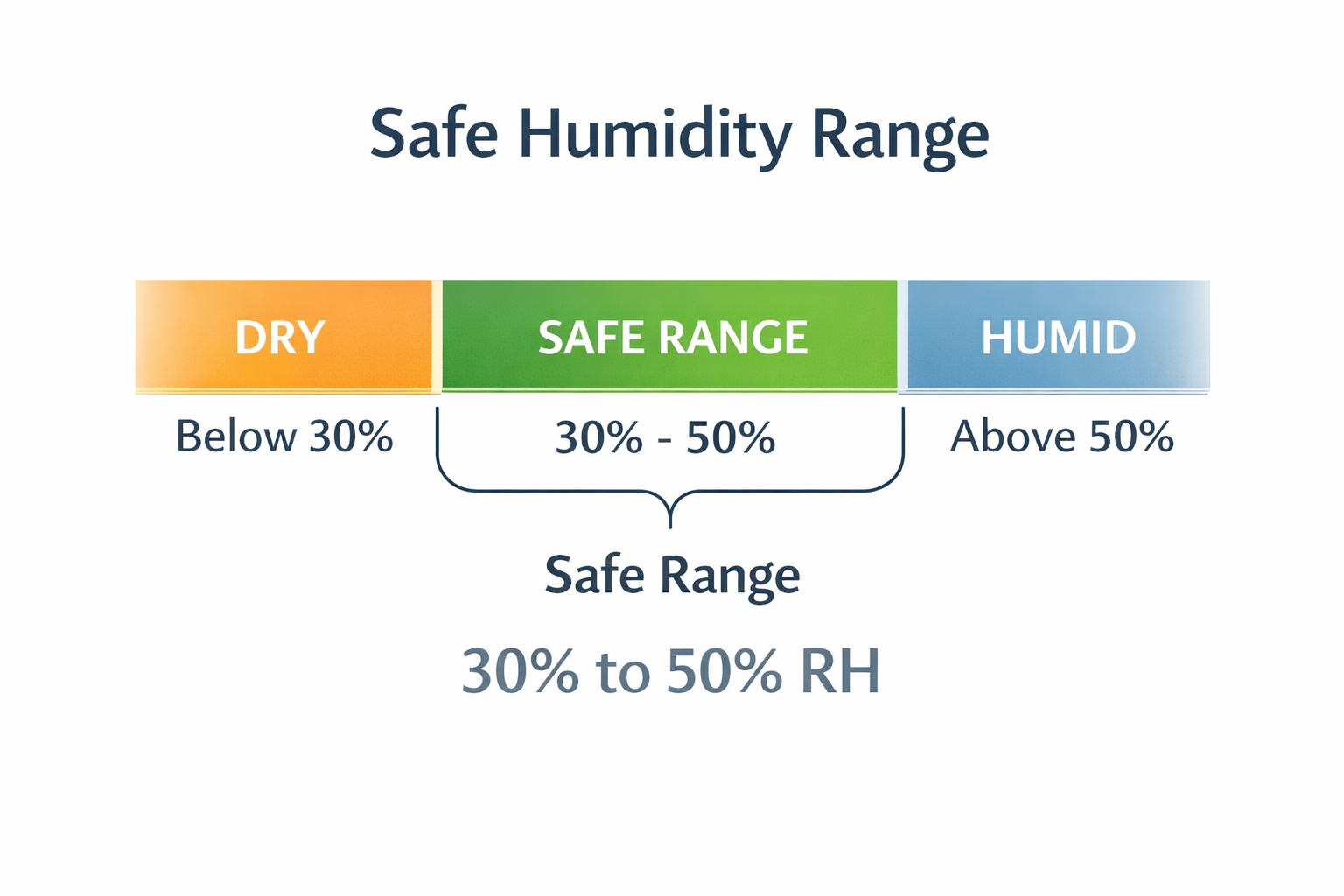
Humidity Has a Narrow Safe Range
Indoor environments are not meant to operate at outdoor humidity levels.
“Indoor relative humidity (RH) should be kept below 60 percent — ideally between 30 percent and 50 percent, if possible.”
— U.S. Environmental Protection Agency (EPA)
https://www.epa.gov/mold/mold-course-chapter-2
Key point:
Above this range, conditions begin to support biological growth inside the home.
Humidity Directly Controls Biological Growth
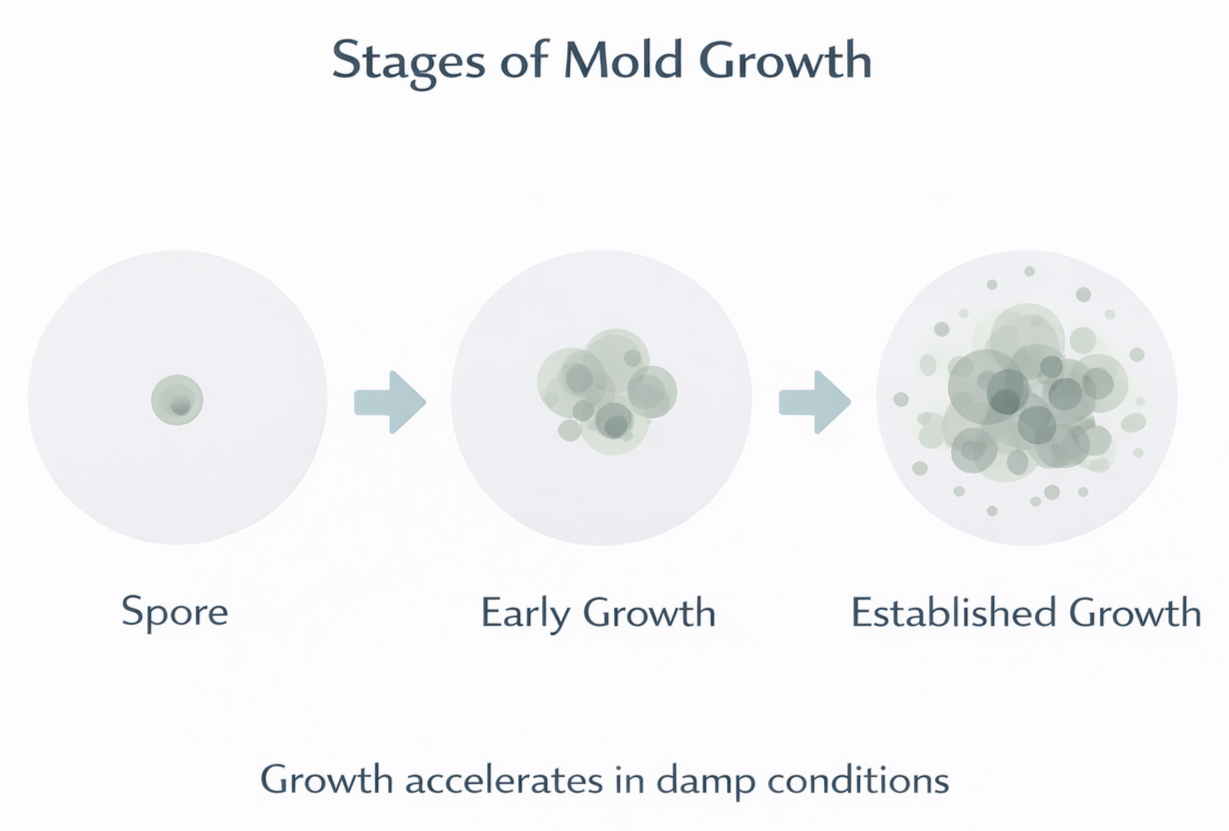
Moisture doesn’t just “contribute” to problems—it enables them.
“Especially important is high relative humidity, which encourages house dust mite populations to increase and allows fungal growth on damp surfaces.”
— U.S. Environmental Protection Agency (EPA)
https://www.epa.gov/indoor-air-quality-iaq/indoor-air-pollution-introduction-health-professionals
Key point:
Humidity is the control variable behind both mold and dust mites.
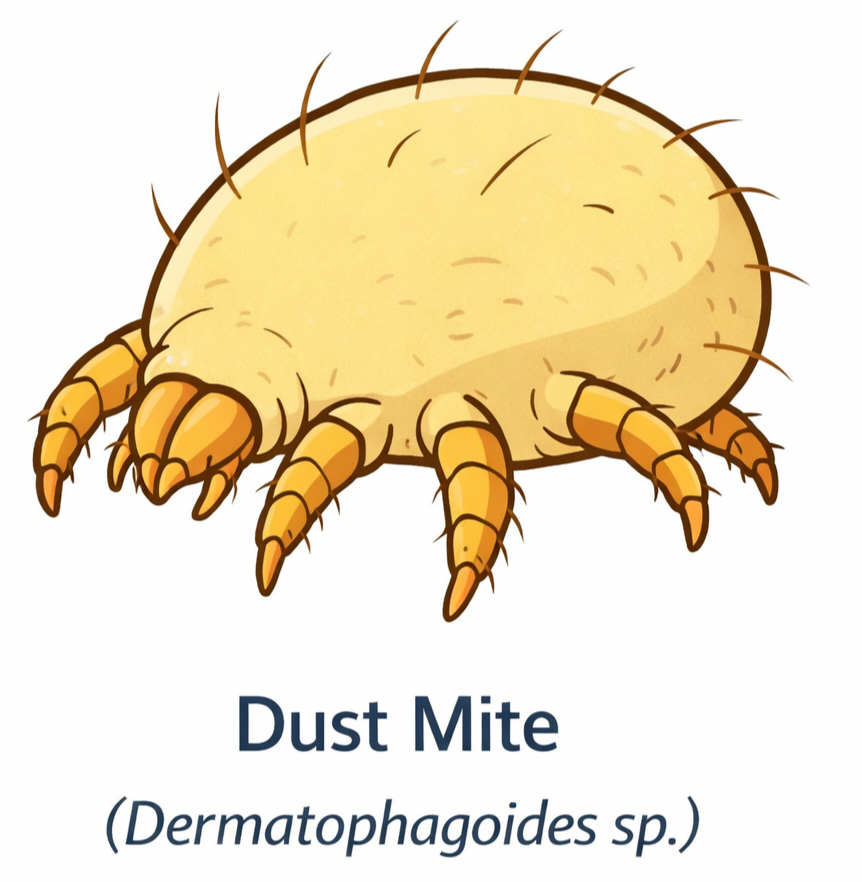
Dust Mites Depend on Air Moisture to Survive
Dust mites are not related to cleanliness—they are limited by humidity.
“Dust mites cannot drink water… they must absorb it from the air. For this reason, they thrive in humid environments, ranging from 55% to 75% relative humidity.”
— National Center for Healthy Housing (NCHH)
https://nchh.org/information-and-evidence/learn-about-healthy-housing/health-hazards-prevention-and-solutions/dust/dust-mites/
Key point:
If humidity stays elevated, dust mite populations can grow even in otherwise clean homes.
Moisture Exposure Has Measurable Impact
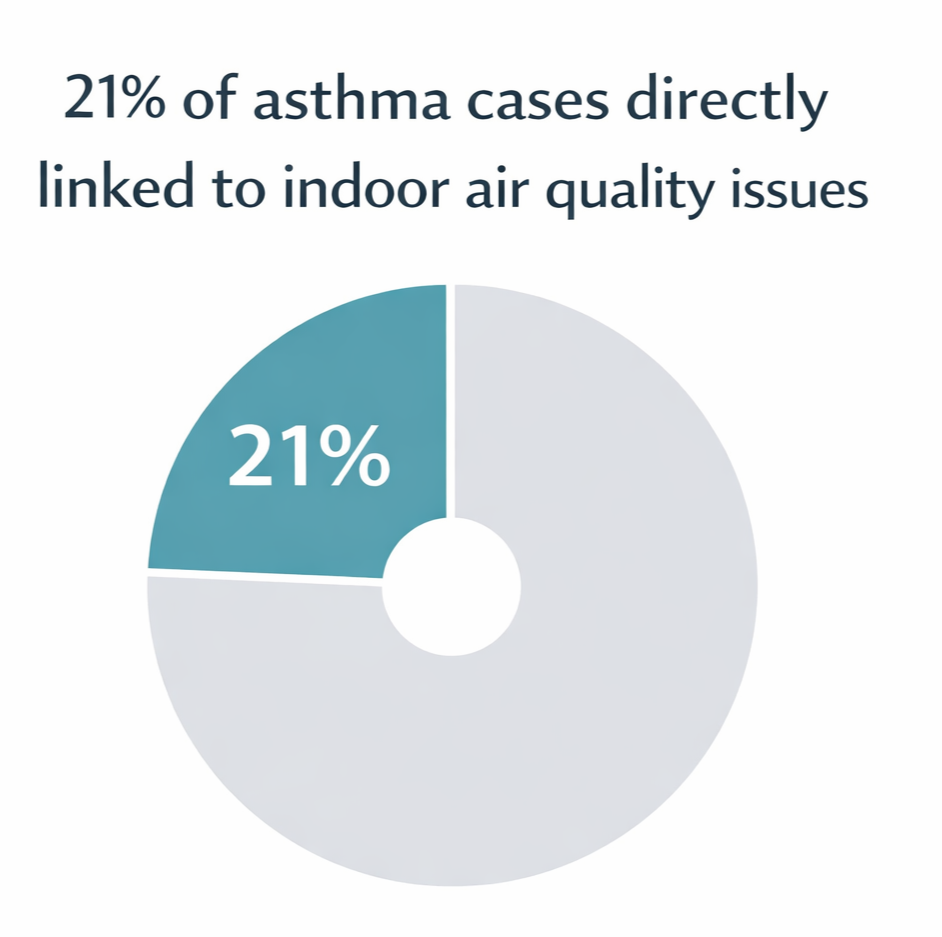
The effect of indoor moisture is not theoretical—it has been quantified at scale.
“Approximately 21% of current asthma cases in the United States may be attributable to dampness and mold exposure in homes.”
— U.S. Environmental Protection Agency (EPA), Moisture Control Guidance (2013)
https://www.epa.gov/sites/default/files/2014-08/documents/moisture-control.pdf
Key point:
Indoor environmental conditions are linked to millions of cases of asthma nationwide.
Your Crawl Space May Be a Major Source of Indoor Humidity
In many homes in the Pacific Northwest:
Outdoor air often carries high humidity
Crawl space vents allow that air to enter
Moisture also rises continuously from the soil
Air naturally moves upward into the home
Result:
Conditions under the home can directly influence the environment inside it.